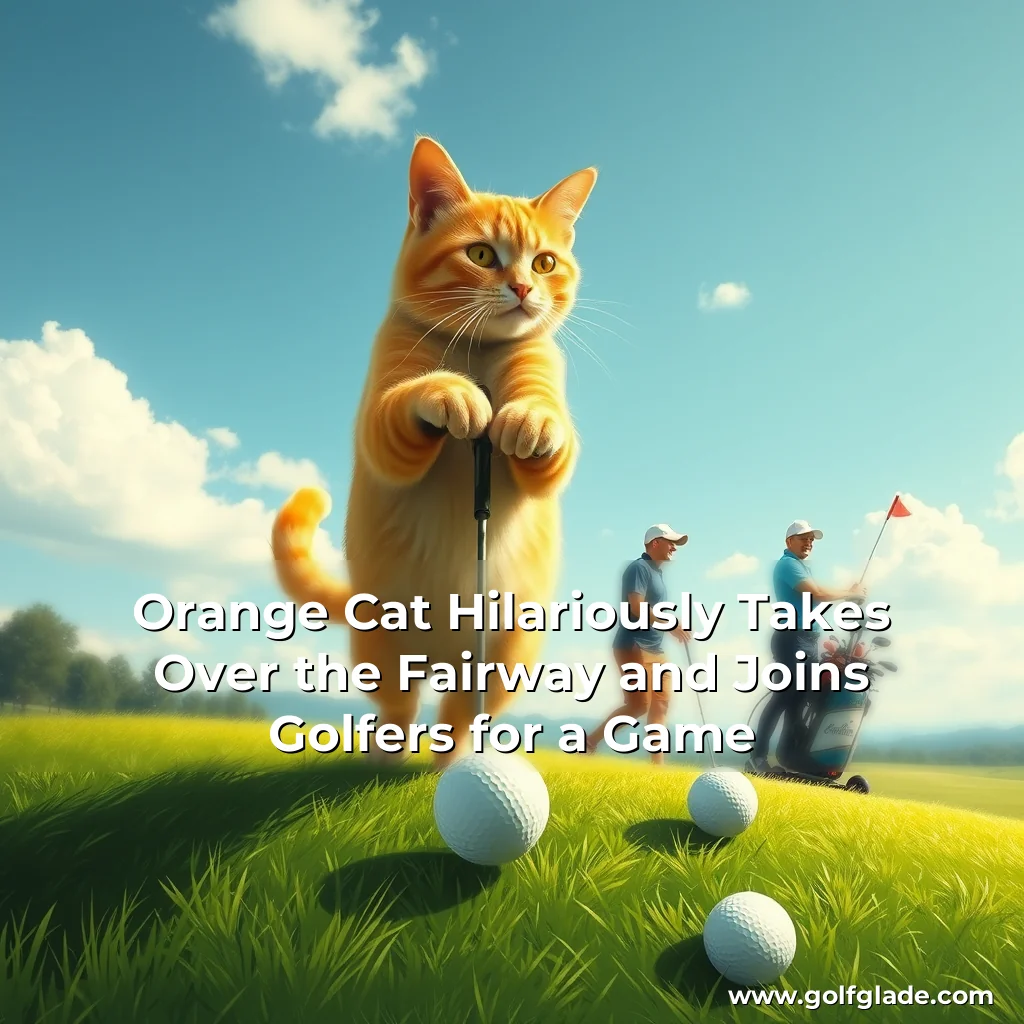
The game is not just about hitting the ball, but also about strategy and mental toughness.
The Origins of Golf
Golf has a rich history that dates back to the 15th century in Scotland. The game was initially played on links courses, which were coastal areas with sandy soil and dunes. The first written records of golf date back to 1457, when King James II banned the game because it was interfering with archery practice, which was necessary for national defense. However, the ban was short-lived, and golf continued to grow in popularity.
The Early Rules of Golf
The early rules of golf were not well-defined, and the game was often played with a variety of clubs and balls. In 1754, the first official rules of golf were published, and they were based on the rules of the Gentlemen Golfers of Leith, a club in Edinburgh. The rules were simple and focused on basic etiquette, such as taking turns and respecting other players.
The Evolution of Golf Clubs
Golf clubs have evolved significantly over the years. The first golf clubs were made of wood, and they were often heavy and cumbersome. In the 19th century, golf clubs began to be made of metal, and they became lighter and more durable. Today, golf clubs are made of a variety of materials, including titanium and graphite. Key features of modern golf clubs: + Lightweight and durable materials + Advanced clubhead designs + Customizable club lengths and flexibilities
The Evolution of Golf Balls
Golf balls have also undergone significant changes over the years.
But, what if we could harness that playful energy to create a more harmonious and fun environment for both cats and humans? That’s where the concept of cat agility comes in.
The Origins of Cat Agility
Cat agility, also known as cat fitness or cat gymnastics, is a form of exercise that involves guiding cats through a series of tunnels, ramps, and obstacles. The idea of cat agility was first introduced in the 1980s by a British cat breeder named John Bradshaw. Bradshaw, who is also a renowned cat behaviorist, was looking for ways to provide his feline friends with mental and physical stimulation. He discovered that cats, like dogs, have a natural instinct to hunt and play, and he wanted to create a way to channel that energy into a fun and engaging activity.
Benefits of Cat Agility
So, what are the benefits of cat agility? Here are just a few:
The Joy of Feline Playfulness
Cats are known for their unique personalities, and playfulness is a significant aspect of their behavior. While some cats are content with simply lounging around, many others are naturally inclined to engage in playful activities. This innate playfulness is a vital part of a cat’s development, as it helps them develop essential skills such as hunting, problem-solving, and social interaction.
The Benefits of Play
Play is an essential component of a cat’s life, and it’s not just about having fun. It’s a vital aspect of their emotional and physical well-being.
Cats are born to play, and play is essential to their well-being.
However, the way that this orange cat plays with the golf ball is unique and endearing. The way that the cat pounces on the ball, batting it around the room, is a testament to the natural instincts of the cat.
The Joy of Play in Cats
Play is an essential part of a cat’s life, and it serves several purposes. It helps to stimulate their natural instincts, exercise their muscles, and provide mental stimulation. Cats are natural predators, and play allows them to engage in this instinctual behavior.